PRODUCTS
Split Air Conditioner


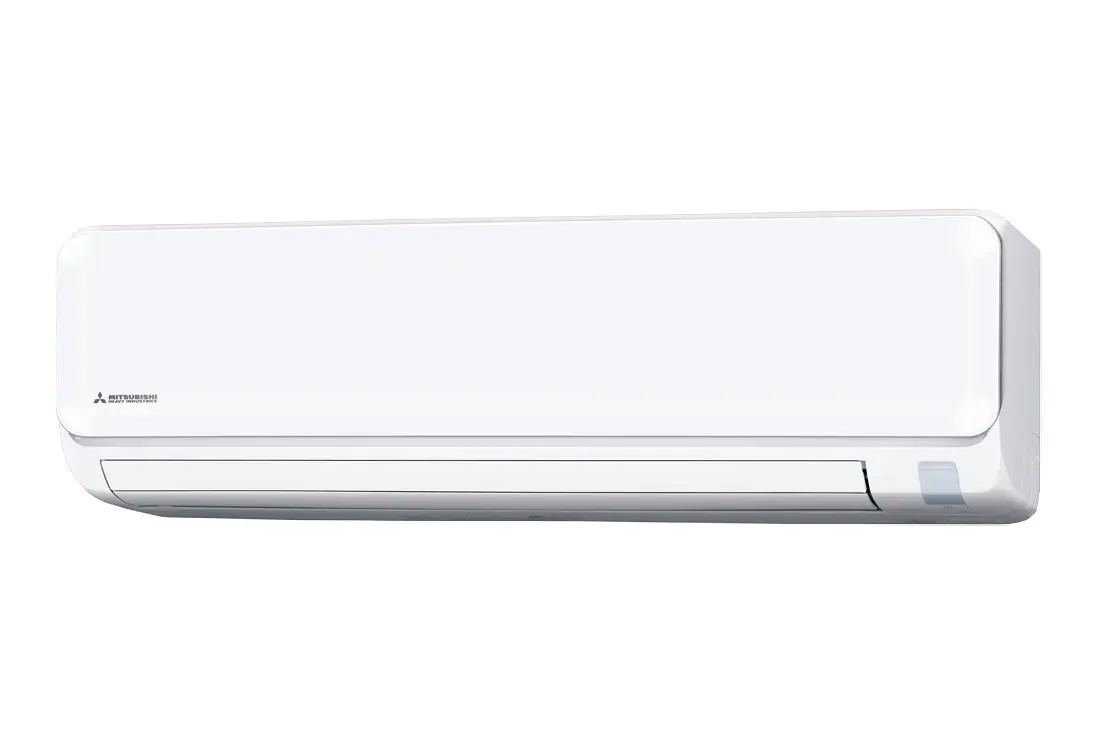
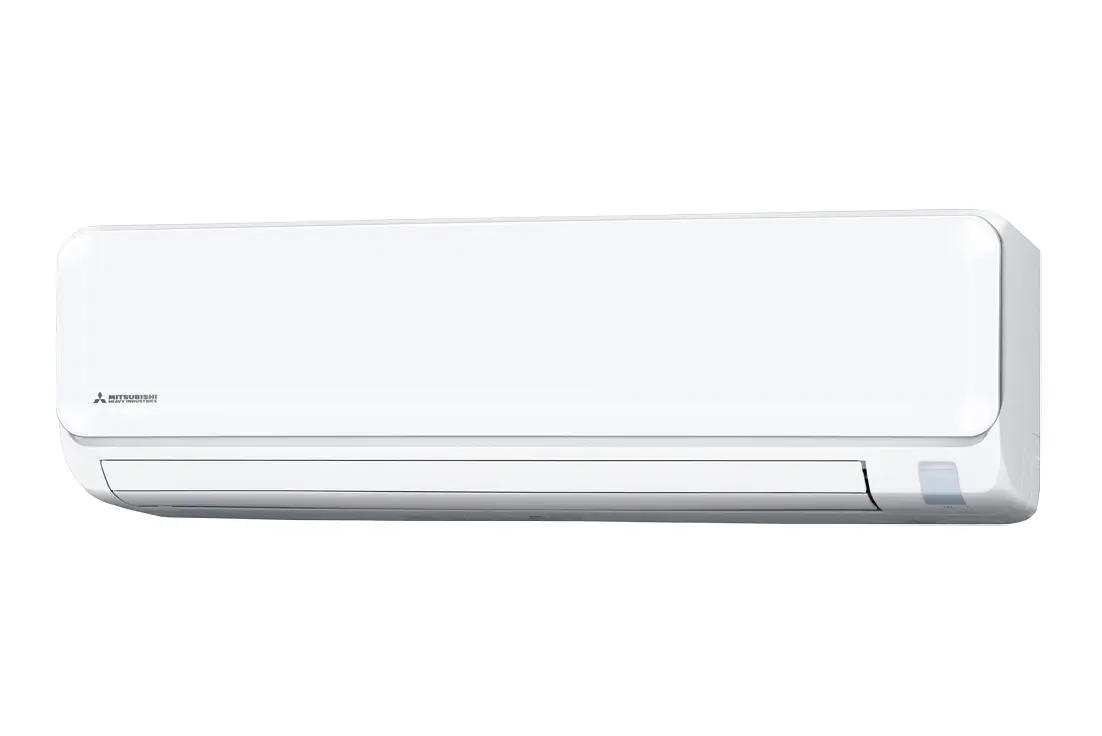
A Mitsubishi split air conditioner delivers precise climate
control by combining a compact outdoor compressor with one or more sleek indoor
units, making it ideal for both residential and commercial spaces. Known for
inverter-driven technology, these systems adjust compressor speed in real time
to maintain your desired temperature without energy waste. Whether you need
cooling during peak summer or efficient heating in colder months, this setup
offers year-round comfort with remarkably low noise levels and minimal
electricity consumption.
Every Mitsubishi split air conditioner in this lineup is
engineered with advanced filtration systems that capture dust, allergens, and
airborne particles, promoting cleaner indoor air quality alongside temperature
regulation. The multi-zone capability allows you to set different temperatures
across separate rooms using a single outdoor unit, giving you full flexibility
over your living or working environment. Wi-Fi connectivity on select models
also lets you control settings remotely through a smartphone app, so your space
is always ready when you arrive.
Durability and long-term performance set the Mitsubishi
split air conditioner apart from many competitors on the market. The outdoor
units are built with anti-corrosion coatings to withstand harsh weather, while
the indoor components operate quietly enough for bedrooms and offices. With
energy ratings that consistently rank among the highest in the industry,
choosing from this collection means lower utility bills and a reduced carbon
footprint without sacrificing comfort.
The system operates on a simple principle: an outdoor
compressor unit and an indoor air handler work together through a set of
refrigerant lines. The outdoor unit compresses refrigerant gas, which travels
through copper piping to the indoor unit. Once inside, the refrigerant absorbs
heat from the room air and carries it back outside, leaving behind cooled air
that circulates through your space. In heating mode, this cycle reverses,
pulling warmth from outdoor air and delivering it indoors.
A Mitsubishi split air conditioner relies on inverter
technology to regulate compressor speed continuously rather than cycling on and
off like conventional systems. This means the unit ramps up quickly when there
is a large temperature gap and slows down gradually as the room approaches the
set point. The result is stable, consistent comfort without the sudden
temperature swings or energy spikes that fixed-speed models typically produce.
Communication between the indoor and outdoor components
happens through a small conduit that houses the refrigerant lines, a power
cable, and a drain pipe. Because there are no bulky ducts involved,
installation is straightforward and energy loss stays minimal. The indoor unit
pulls in room air, passes it over a cold or warm evaporator coil depending on
the selected mode, and redistributes it evenly with the help of adjustable
louvers and fan speed settings.
Choosing the right Mitsubishi split air conditioner for your
home depends on room size, energy expectations, and the features you
prioritize. The current lineup offers two distinct product families that cover
everything from compact bedrooms to large living areas. Both the Split Air
Conditioner Mitsubishi Heavy Industries range and the Split Air
Conditioner EuroForm collection bring reliable inverter performance, but
each targets a different set of needs and budgets.
The Diamond Series SRK-ZSX stands out as the premium option
for homeowners who want top-tier efficiency and smart control. Available in
multiple capacities including the SRK25ZSX-W, SRK25ZSX-WF, and SRK35ZSX-W, this
series uses R32 refrigerant for a lower environmental impact. Its quiet indoor
operation and precise temperature management make it particularly well suited
for bedrooms, nurseries, and home offices where comfort and silence matter
equally.
For those looking for solid performance at a more accessible
price point, the Trend Series SRK-ZSP delivers exactly that. Models like the
SRK25ZSP-W, SRK35ZSP-W, and SRK50ZSP-W cover BTU ranges from 9,000 up to
24,000, handling everything from a single bedroom to an open-plan kitchen and
living area. This series shares the same inverter foundation as the Diamond
line while keeping upfront costs lower, making it a practical choice for
first-time buyers.
The Split Air
Conditioner EuroForm range, including the EF2WT091, EF2WT121, and EF2WT181
models, offers a versatile alternative with R32 and R410A compatibility. These
units are designed for straightforward installation and dependable daily use,
appealing to homeowners who value simplicity without compromising on core
cooling and heating performance. Their compact design also fits well in
apartments and smaller residential spaces where wall clearance is limited.
Across the full catalog, BTU capacities span from 9,000 for
small rooms up to 24,000 for larger open areas, so matching a unit to your
space is straightforward. Visiting the Split Air
Conditioner Mitsubishi Heavy Industries page gives you a detailed look at
each model's specifications, energy ratings, and feature sets. Picking the
right Mitsubishi split air conditioner ultimately comes down to balancing room
volume, desired efficiency class, and whether advanced features like Wi-Fi
control are on your checklist.
Getting a Mitsubishi split air conditioner installed
correctly makes all the difference between a system that runs efficiently for
years and one that constantly underperforms. Even the most advanced model will
struggle if the placement is wrong, the refrigerant lines are too long, or the
drainage isn't properly set up. A few key considerations before and during
installation will help you avoid common mistakes and get the most out of your
unit from day one.
·
Choose the right wall for the indoor unit. Mount
it on an interior wall that allows unobstructed airflow across the room. Avoid
placing it directly above electronics, curtains, or furniture that could block
air circulation or trap heat.
·
Keep the outdoor unit in a ventilated area. The
compressor needs open space around it to expel heat effectively. Leave at least
50 cm of clearance on all sides and keep it away from direct sunlight or
enclosed corners where hot air can recirculate.
·
Minimize the distance between indoor and outdoor
units. Shorter refrigerant lines mean less energy loss and better cooling
performance. Ideally, keep the piping run under 15 meters unless the model
specifications allow for more.
·
Ensure proper drainage for the condensate line.
The indoor unit produces moisture during cooling mode, and that water needs a
clear, downward-sloping path to drain outside. A blocked or poorly angled drain
line leads to leaks and potential water damage.
·
Use the correct electrical supply. Each model
has specific voltage and circuit requirements. A dedicated breaker for the outdoor
unit is essential to prevent overloads and ensure safe, stable operation.
·
Hire a certified HVAC technician. Refrigerant
handling, electrical connections, and vacuum testing all require professional
tools and expertise. DIY installation can void your warranty and create safety
risks that are not worth the savings.
Once everything is mounted, connected, and tested, ask your
installer to walk you through the initial settings and filter access points. A
properly installed Mitsubishi split air conditioner should run quietly with
stable temperatures right from the first cycle. Taking the time to get the
setup right at the beginning saves you from costly adjustments and service
calls down the road.
A single zone Mitsubishi split air conditioner pairs one
outdoor unit with one indoor unit to condition a specific room or area. This
setup works well for studios, individual bedrooms, home offices, or any space where
only one area needs climate control. Because the system focuses all its
capacity on a single room, it delivers strong airflow and fast temperature
response without sharing resources. Installation is simpler, costs are lower,
and maintenance stays straightforward since there is only one set of components
to manage.
Multi-zone
systems take a different approach by connecting multiple indoor units to a
single outdoor compressor. Each indoor unit operates independently, meaning you
can cool the living room to one temperature while heating a bedroom to another
at the same time. This flexibility makes multi-zone configurations ideal for
larger homes, apartments with several rooms, or open-plan spaces where
different areas have different comfort needs throughout the day. Instead of
installing separate outdoor units for every room, one compressor handles
everything, saving exterior wall space and reducing overall equipment costs.
The decision between these two options comes down to how
many rooms you need to cover and how much independent control matters to you.
If your priority is conditioning a single space as efficiently as possible, a
single zone Mitsubishi split air conditioner is the most cost-effective and
easiest path. For whole-home comfort with room-by-room temperature management,
a multi-zone system delivers far greater versatility. In either case, proper
sizing and professional installation remain essential to getting the
performance and energy savings these systems are built to provide.
Picking the correct BTU capacity for your Mitsubishi split
air conditioner starts with measuring the room you plan to condition. As a
general rule, you need roughly 20 BTU per square foot of living space. A
15-square-meter bedroom, for example, typically requires a 9,000 BTU unit,
while a 35-square-meter living room performs best with an 18,000 or 22,000 BTU
model. Going too low leaves the system running constantly without reaching the
set temperature, and going too high causes short cycling, excess humidity, and
wasted energy.
Room size alone does not tell the full story. Ceiling
height, sun exposure, insulation quality, and the number of windows all
influence cooling and heating demand. A south-facing room with large glass
panels absorbs significantly more heat than an insulated interior space of the
same size. Kitchens and rooms with heat-generating appliances also need extra
capacity to compensate for the additional thermal load. Taking these variables
into account prevents you from ending up with a unit that looks right on paper
but struggles in practice.
The Mitsubishi split air conditioner range offers BTU
options from 9,000 all the way up to 24,000, covering everything from compact
single rooms to spacious open-plan areas. If your calculation falls between two
available sizes, it is generally safer to round up slightly rather than down.
An HVAC professional can also perform a detailed heat load assessment for your
specific space, factoring in local climate conditions and building materials to
recommend the exact capacity that matches your needs.
The split air conditioner market is filled with well-known
names, and choosing between them can feel overwhelming when every brand
promises efficiency and reliability. What sets a Mitsubishi split air
conditioner apart is the engineering heritage behind it. Mitsubishi Heavy
Industries brings decades of experience from aerospace, automotive, and
industrial manufacturing into its climate control systems. That depth of
technical knowledge translates directly into compressor durability, inverter
precision, and overall build quality that many competing brands simply cannot
match at the same price tier.
·
Compressor longevity. Mitsubishi uses heavy-duty
scroll compressors designed for continuous, long-term operation. Many budget
competitors rely on lighter components that wear faster and lose efficiency
within a few years, leading to higher replacement costs over time.
·
Inverter accuracy. The inverter technology in
Mitsubishi units adjusts compressor speed with exceptional precision,
maintaining room temperature within a narrow range. Some rival brands offer
inverter models as well, but real-world performance often shows wider
temperature fluctuations and slower response times.
·
Noise performance. Indoor units from Mitsubishi
consistently rank among the quietest on the market, with some models operating
as low as 19 dB. Competing products in similar BTU ranges frequently produce
noticeably higher sound levels, especially at startup and during high-demand
cycles.
·
Refrigerant standards. Mitsubishi has broadly
adopted R32 across its lineup, which carries a lower global warming potential
than the R410A still used by several other manufacturers. This positions
Mitsubishi ahead on environmental compliance as regulations tighten worldwide.
·
Build and material quality. Outdoor units
feature anti-corrosion coatings and robust casing built to handle extreme
weather conditions. In side-by-side comparisons, the cabinet thickness and
finish quality of Mitsubishi units tend to outperform similarly priced
alternatives from other brands.
·
After-sales and warranty support. Mitsubishi
backs its products with comprehensive warranty programs and a wide authorized
service network. Some lesser-known brands offer attractive initial pricing but
fall short when it comes to spare part availability and certified technician
access.
None of this means other brands have nothing to offer, but
when you weigh total cost of ownership, long-term reliability, and real-world
energy savings, a Mitsubishi split air conditioner consistently holds its
ground at the top. The combination of proven Japanese engineering, quiet
operation, and forward-thinking refrigerant choices makes it a strong
investment for homeowners who think beyond the initial purchase price.